Other services
Progesterone testing
Why We Perform This Testing
It identifies the fertile time for mating. At our clinic, progesterone testing is compulsory for an artificial insemination so we can identify the time of ovulation, increasing our chances of pregnancy. For natural matings we recommend progesterone testing to accurately identify the fertile time for a mating to occur.
For an accurate prediction of a whelping date. Whelping dates can vary from 58 – 72 days after a natural mating, with the assistance of progesterone tests we can estimate the whelping date within 48 hrs either side of the date provided. Otherwise when progesterone testing is not performed, we rely heavily on the dam going into labour or daily progesterone testing in late pregnancy.
Method used
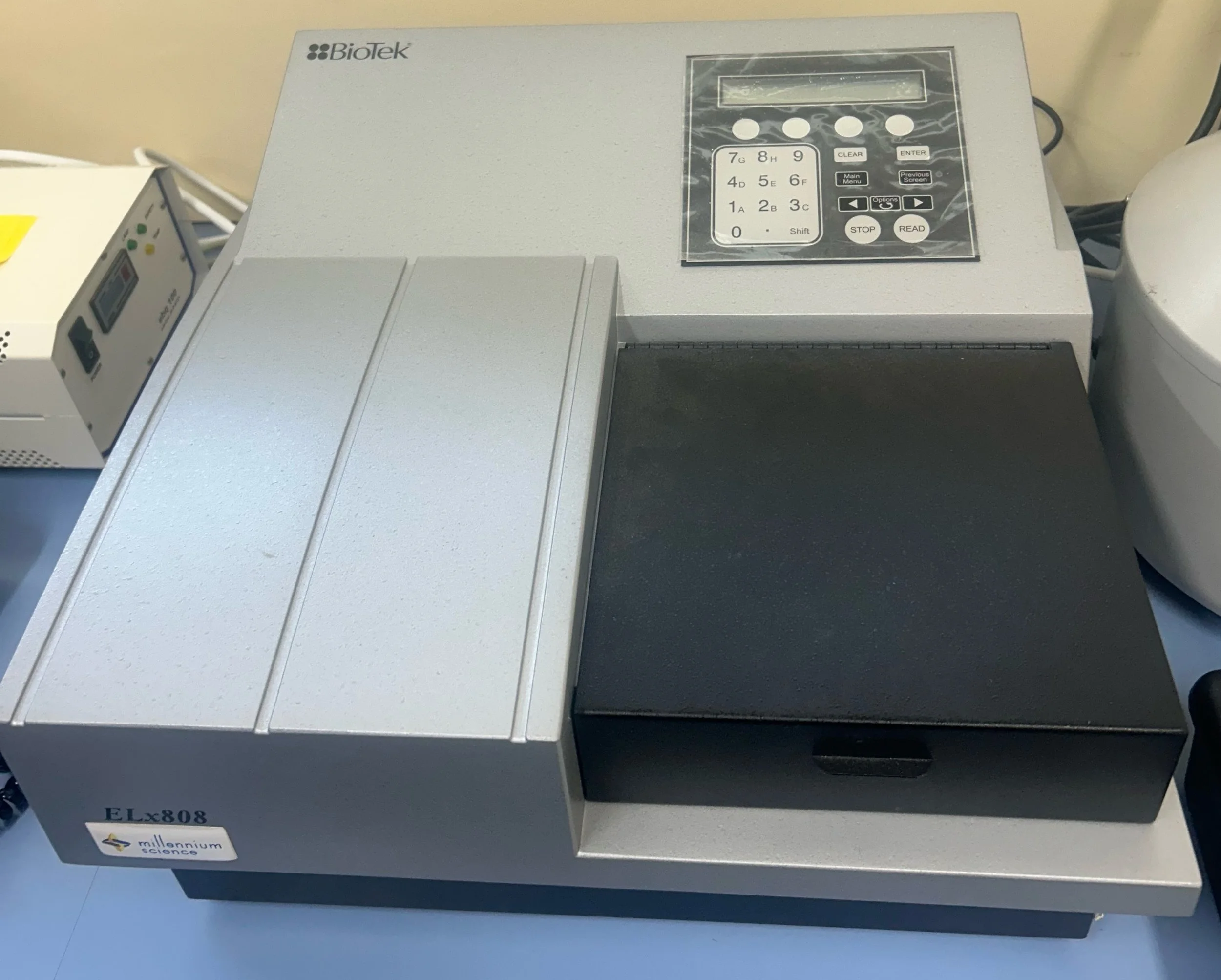
For timing inseminations, we use an in house ELISA assay and compare the sample with a full set of standards from 0.625 ng/ml up to 40 ng/ml. We measure all samples in duplicate. This method ensures an accurate result.
Pregnancy
Estimating Due Dates
From mating times
Timed from the first mating, the average length of pregnancy is around 63 days. Therefore, add 63 days from the date of the first mating to work out an approximate whelping date. It is important to remember that this timing can vary from 58-72 days due to a large variation in the times from when a bitch mates to when she conceives.
Other methods
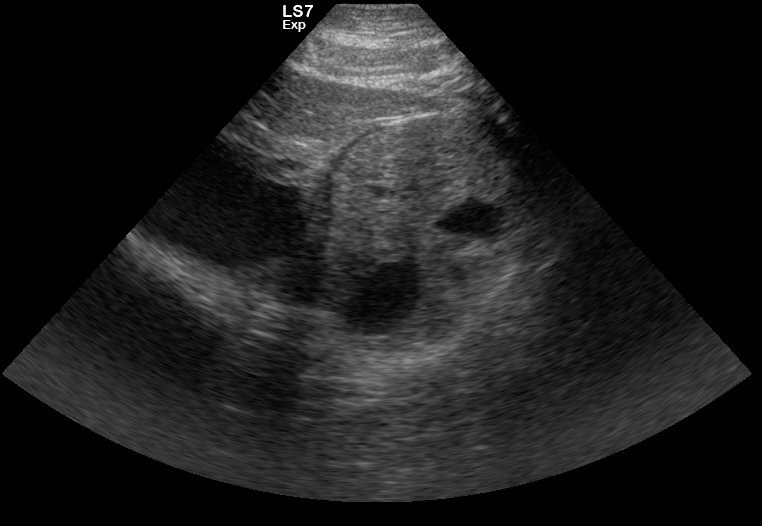
A more accurate whelping date can be determined if ovulation is detected using blood tests for progesterone when the bitch is on heat. An ultrasound can also assist in determining likely whelping dates.
Diet
Lactating bitch
Your dog will need to be fed even more when she is lactating. The puppies’ requirements for food are very high and they will take a lot of nutrients from the mother. If she does not have enough food, she will be unable to supply her pups with adequate nutrition and she will lose a lot of weight. She can also develop a life-threatening condition if she does not have a balanced diet. As a rule of thumb, she should have 3 times as much food as she would normally require, i.e. if she normally eats 2 cups of food daily, increase it to 6 cups. Due to the large quantity of food required, it is important to feed several meals throughout the day rather than a single meal.
Pregnancy
Most foetal growth occurs in the later stage of pregnancy, so an increase in amount of food is needed during the last 4 weeks of pregnancy. As a guide, from day 40 of pregnancy feed an additional 10% of calories (or food) per day to allow for the additional nutritional requirements. It may be a good idea to divide the food into smaller meals over the day.
Whelping
Signs of impending birth
She may be restless for several days before whelping and she may seek or refuse attention and refuse food. She may nest the day before.
First Stage
First stage labour generally lasts 6-12 hours, however, it can last up to 36 hours. The body temperature drops by about 1 degree Celsius to 37 degrees Celsius. Some physical signs to notice are womb contractions and the belly will drop as pelvic and abdominal muscles relax.
Second Stage
Second stage labour generally lasts 3-12 hours, however, can last up to 24 hours. The first pup is usually born in the first 2 to 4 hours, and it can be anywhere from 5 minutes to 2 hours between pups. Temperature rises to approximately 38-39.5 degrees Celsius. Some physical signs to look for are clear foetal fluids, visible abdominal straining, the stomach muscles contract and relax and sometimes the bitch will grunt or groan. Sixty percent of the pups are born headfirst. The mother will then break the membrane, lick neonate intensively and sever umbilical cord.
Third Stage
The third stage is the resting stage and occurs within 15 minutes of birth. This occurs between each puppy.
Whelping Problems
The problems encountered really depend heavily upon the breed. However, the most common cause of whelping problems in bitches is called primary uterine inertia (about 50% of cases). This means that the bitch fails to enter labour. If this is the case, you may try to induce straining by exercising her vigourously. Obviously if you do not have any success, please contact us for advice.
Another common problem encountered is partial uterine inertia (about 24% of cases) where labour starts and then stops. Exercise may also help this problem.
The other most common problem encountered is foetal blockage (about 24% of cases) which requires immediate veterinary attention. A foetus trapped in the birth canal can be very serious and veterinary attention should not be delayed.
When to seek veterinary treatment
Your bitch has a greenish/red-brownish discharge but no puppy is born within 2 to 4 hours of second stage labour
Foetal fluid was passed more than 2 to 3 hours ago but nothing more has happened
She has had weak, irregular straining for more then 2 to 4 hours
She has had strong, regular straining for more then 20 minutes and not produced a pup
More than 2 to 4 hours have passed since the birth of the last puppy and more remain.
She has been in second stage labour for more than 12 hours
We may be able to provide an on-call service for our clients for whelping bitches. Treatment is always at the clinic and we charge $350 to be on call for 3 nights whether we get called or not. The service needs to be arranged beforehand.
Pregnancy termination
Pregnancy can be treated medically. It is important that the procedure is conducted properly.
Pyometra
Pyometra can be treated medically. The treatment does take 7 to 10 days so takes a strong commitment to future breeding and aftercare.
The prognosis depends on the age of the bitch and other diseases of the uterus.
Prostate disease
We can diagnosis prostatic diseases accurately and treat the most common ones medically.